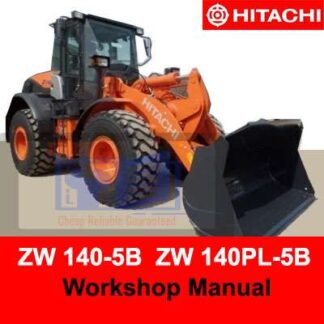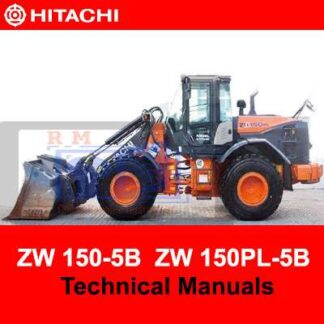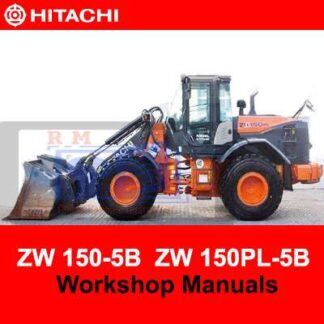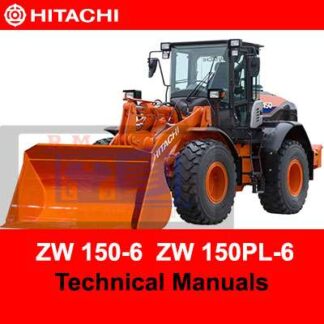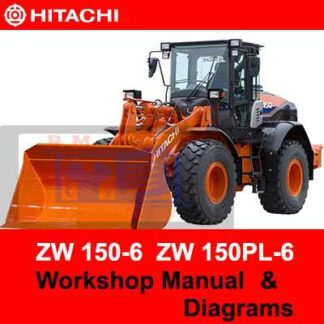
Hitachi, a leader in industrial and construction equipment, provides detailed parts manuals that are essential resources for anyone involved in the maintenance and repair of their machinery. These manuals are indispensable tools that guide users in identifying and ordering genuine parts. With precise numbering systems and comprehensive illustrations, Hitachi parts manuals ensure that equipment runs efficiently and reliably. This article delves into the significance of these manuals, how to navigate them, the importance of using genuine parts, and the process of ordering using manual numbers.
Understanding Hitachi Parts Manuals and Their Benefits
Hitachi parts manuals are detailed documents that serve as a comprehensive guide for equipment owners, operators, and service technicians. These manuals are meticulously crafted to include every component of a machine, from the smallest bolt to the largest engine part. Each component is assigned a unique part number, making it easy to identify and order the exact replacement part needed. This precision is crucial for maintaining the performance and longevity of the equipment.
One of the primary benefits of using Hitachi parts manuals is the time and effort saved during maintenance and repair operations. Instead of guessing or searching for the right part, technicians can quickly locate the part number and description, streamlining the ordering process. This efficiency reduces downtime, ensuring that machinery is back in operation as soon as possible, which is vital for businesses that rely on these machines for daily operations.
Moreover, these manuals provide detailed diagrams and exploded views of equipment assemblies, offering a visual aid that enhances understanding and facilitates accurate identification of parts. This feature is particularly beneficial for complex machinery, where identifying parts by sight alone can be challenging. With the aid of these diagrams, users can easily decipher how parts fit together and function within the whole system.
Furthermore, Hitachi parts manuals are invaluable for training purposes. They serve as educational tools for new technicians who are learning about the machine’s construction and operation. By studying these manuals, technicians can gain a deeper understanding of the equipment, leading to more effective maintenance and troubleshooting. For more information, visit Hitachi Parts Manuals.
How to Navigate Hitachi’s Parts Manual Efficiently
Navigating a Hitachi parts manual efficiently requires an understanding of its layout and structure, which is designed to be user-friendly. Each manual typically begins with a table of contents or an index that lists all the main sections and components of the machine. This feature allows users to quickly locate the specific section relevant to their needs, whether they are searching for engine parts, hydraulic systems, or electrical components.
Once the appropriate section is located, users will find detailed breakdowns of each assembly, accompanied by exploded diagrams. These diagrams are not only labeled with part numbers but also often include the part name and description. By following these diagrams, users can trace the assembly process of various machine components, making it easier to identify which parts need replacement or service.
Another efficient way to navigate these manuals is by using the part number index, usually located at the end of the manual. This index lists all the parts numerically, allowing users to cross-reference part numbers with their descriptions and diagrams. For technicians familiar with specific part numbers, this feature provides a quick way to find the exact page and diagram they need.
For digital manuals, utilizing the search function can greatly enhance navigation efficiency. By entering keywords or part numbers, users can jump directly to the relevant sections without manually flipping through pages. This capability is particularly useful for large manuals that cover extensive machinery models and components. To explore digital manuals, visit Hitachi Manuals Online.
The Importance of Genuine Parts for Hitachi Equipment
Using genuine parts for Hitachi equipment is paramount to ensuring optimal performance and longevity. Genuine parts are designed and manufactured to meet the exact specifications and quality standards of Hitachi equipment. This ensures that each part fits perfectly and functions as intended within the machine’s complex systems, reducing the risk of malfunctions or failures.
Non-genuine parts, while often cheaper, can pose significant risks. They may not adhere to the same rigorous quality standards, leading to potential compatibility issues and reduced performance. Over time, the use of inferior parts can result in increased wear and tear, leading to more frequent repairs and ultimately, higher costs. In contrast, genuine parts provide the assurance of durability and reliability, contributing to the overall efficiency and lifespan of the equipment.
Furthermore, using genuine parts is essential for maintaining warranty coverage. Many manufacturers, including Hitachi, stipulate that only genuine parts be used during repairs to ensure warranty validity. This policy not only protects the equipment owner from potential financial loss but also underscores the manufacturer’s confidence in their parts’ quality and performance.
In addition to performance and warranty considerations, safety is a critical factor. Genuine parts have been tested and approved for use in specific Hitachi models, ensuring they meet all safety standards. This is particularly important in heavy machinery, where any failure can lead to dangerous situations. By using genuine parts, equipment owners can safeguard their operators and minimize the risk of accidents. For more insights on genuine parts, visit Hitachi Genuine Parts.
Ordering Genuine Hitachi Parts Using Manual Numbers
Ordering genuine Hitachi parts using manual numbers is a straightforward process that begins with identifying the correct part number from the parts manual. Each part number corresponds to a specific component, ensuring that the exact part needed is ordered. This precision eliminates the guesswork and potential errors associated with ordering parts based on descriptions alone.
Once the part number is identified, the next step is to contact an authorized Hitachi dealer or service center. Providing the dealer with the part number and equipment model ensures that they can quickly verify the part’s availability and provide accurate pricing information. Many dealers also offer online ordering options, allowing customers to input part numbers directly into their systems for a seamless purchasing experience.
It is important to verify that the part number matches the specific equipment model and serial number. This verification step is crucial, as even slight variations in models can result in different part requirements. By cross-referencing the part number with the machine’s serial number, users can ensure compatibility and avoid unnecessary returns or exchanges.
Finally, once the order is placed, keeping a record of the transaction, including the part number and dealer information, is advisable. This record can be useful for future reference or in the event of any issues with the part. By following these steps, equipment owners can efficiently and accurately order the genuine Hitachi parts they need to keep their machinery operating at peak performance. To start your order, visit Order Hitachi Parts.
In conclusion, Hitachi parts manuals are indispensable resources for maintaining and repairing Hitachi equipment. They offer detailed guidance and precise part numbers that simplify the process of identifying and ordering genuine parts. By understanding how to navigate these manuals and the importance of using genuine parts, equipment owners can ensure their machinery remains reliable, efficient, and safe. Whether for routine maintenance or complex repairs, utilizing the comprehensive information in Hitachi parts manuals is key to maximizing the performance and lifespan of your equipment. For more information and to access these valuable resources, visit Hitachi Manuals.